
Why sleep matters — and how to track it with Garmin
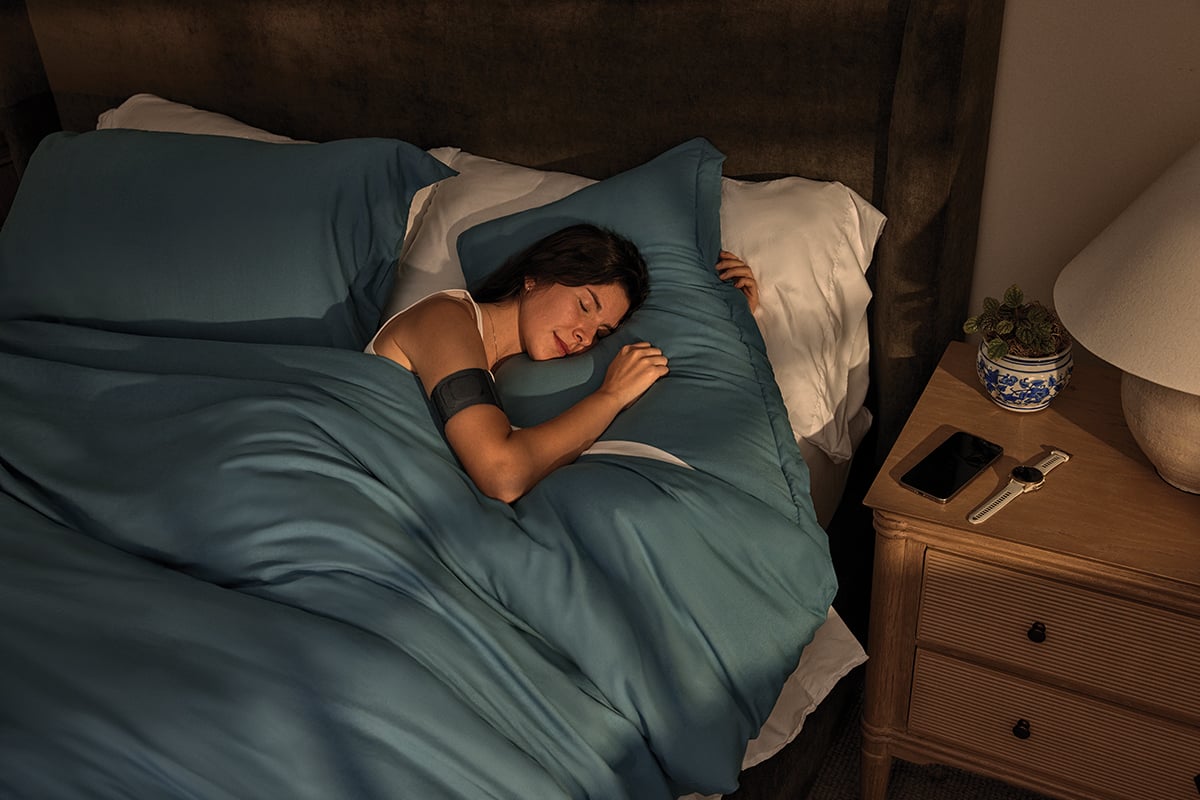
December 12, 2025
There’s almost no better feeling than a good night of sleep. You wake up well-rested with plenty of energy to take on the day.
But a bad night of sleep … well, it’s not great. You might wake up groggy or still exhausted, only wanting to crawl back under the covers. You can’t perform as well at work. Your workout goes terribly — if you hit the gym at all.
Quality sleep can make all the difference in your well-being. Having a better understanding of just how well and for how long you’re sleeping can help set you up for success.
Here’s why sleep matters, and how you can track yours with Garmin products1.
Why is sleep important?
You probably know you should be getting between 7 and 9 hours of sleep. We found most Garmin users sleep in that range — with 79% of users globally getting more than 7 hours. However, more than half of Americans say they need more sleep, according to a Gallup poll published in 2024.
Not getting enough sleep can have health consequences. For example, adults getting less than 7 hours of sleep are more likely to say they’ve had health issues, including high blood pressure, asthma and depression, according to the CDC.
Sleep deprivation can significantly impair an athlete’s physical performance and disrupt neurological, metabolic and psychological functions, according to a study published in the National Library of Medicine.
Regularly getting quality sleep can help promote good health, improve your mood and help maximize the benefits of exercise. Getting enough sleep can help prevent sickness, maintain a healthy weight, reduce stress, and improve your attention and memory, according to the CDC.
One study found that better sleep can make it easier to follow exercise and diet goals, according to the American Heart Association. And a poll from the National Sleep Foundation found links between sleep health and whether individuals flourish in life, which encompasses their happiness, work and home productivity, goal achievement and fulfilling social relationships.
Now you know how important sleep is to your well-being, it’s time to start paying attention to your rest.
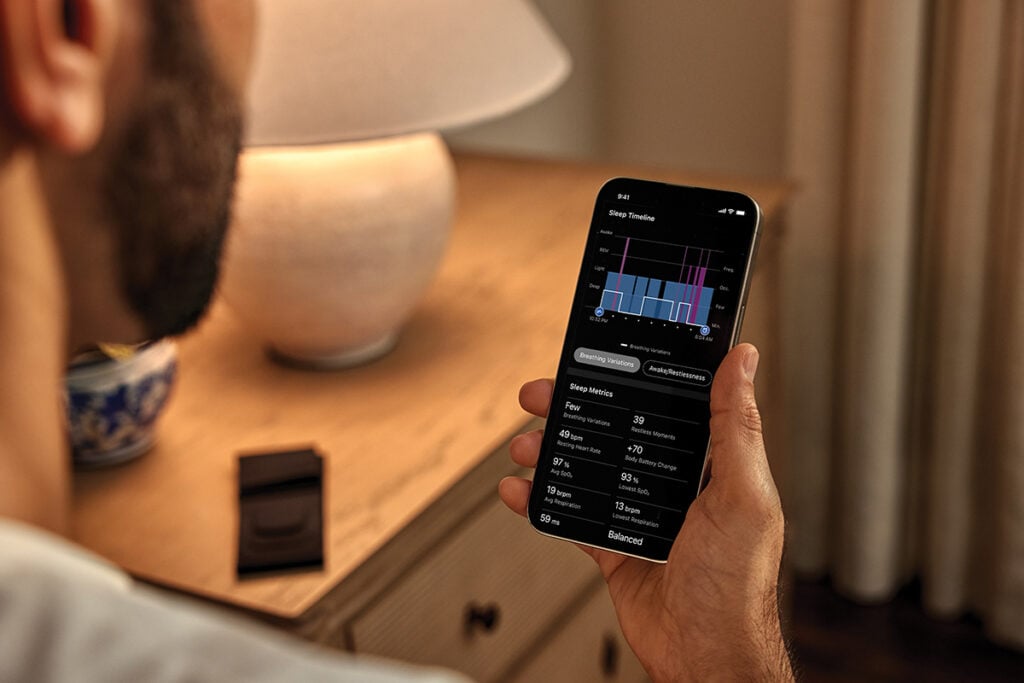
How can you track your sleep with Garmin?
You can track your sleep with a compatible Garmin smartwatch. Or, if you prefer not to wear a watch to bed, consider the Index™ Sleep Monitor. It helps fill that gap to provide a more complete picture of your metrics.
With either option, you’ll get access to Garmin advanced sleep tracking that uses health metrics such as heart rate1, heart rate variability (HRV) and body movement data to consider when you fell asleep, when you woke up and the times you were awake during the night. It also looks at when you were in the light, deep and rapid eye movement (REM) sleep stages and for how long.
That data is compiled into your Garmin sleep score, which rates your sleep on a scale of 0–100 and provides insights so you can work on improving your sleep.
Index Sleep Monitor, a lightweight and breathable smart band worn on your upper arm, tracks your sleep and seamlessly syncs with the Garmin Connect™ app. This machine-washable band comes in two sizes, provides up to 7 nights of battery life and is eligible to check out with your health savings account or flexible spending account.
Index Sleep Monitor provides your Garmin sleep score, sleep stages, HRV status and more, so you can better understand your recovery. Plus, the breathing variations feature uses Pulse Ox2 to help you better understand how your breathing patterns shift while you sleep. These shifts could be related to environment, alcohol or potential sleep disorders such as sleep apnea.
This smart sleep band even uses skin temperature to provide additional insights into your menstrual cycle, including improved period predictions and past ovulation estimates3.
If you track your sleep with a compatible Garmin smartwatch, you also unlock Garmin sleep coach. Using your age, daily and longer-term activity levels, recent sleep history, naps and HRV, Garmin sleep coach will estimate your personal sleep need.
Plus, Garmin smartwatches offer days — or even weeks — of battery life, so you don’t have to worry about missing your sleep metrics while your watch is charging.
When you track your sleep with Garmin, you can begin to recognize long-term trends in your sleep. And that can give you confidence that you’re on the right track to improve your health.
Take the first step to tracking and improving your sleep by considering Index Sleep Monitor or a compatible Garmin smartwatch.
1See Garmin.com/ataccuracy
2This is not a medical device and is not intended for use in the diagnosis or monitoring of any medical condition; see Garmin.com/ataccuracy….