
inReach SOS: Hypothermic climbers at 9,000’
August 26, 2025
When two distressed hypothermic climbers stumbled into his party’s camp at 9,350’ on Mount Adams, Chris Vaughn used his inReach® satellite communication device1 to get help.
It was 4 p.m. when Chris Vaughn and his party members reached what’s known as “Lunch Counter” on Mount Adams (12,276’) in Washington’s Cascade Range. Lunch Counter sits at about 9,350’ and is a relatively level and sheltered area with expansive views at the base of Suksdorf Ridge, making it a popular overnight camping spot for backpackers.
Despite that, when his party set up camp on day 1 of their 2-day summit attempt, the winds were already gusting up to 40 mph, and thick clouds had enveloped the mountain all the way to the summit. They were happy to settle in for the night and not ascend any further.
But something unexpected happened.
About an hour after Vaughn’s party had arrived, two young climbers descended from out of the clouds and stumbled into their camp, asking for help.
They had summited earlier in the day but had become disoriented and lost in the whiteout conditions on the way down, leaving them wandering for hours before coming upon Vaughn’s camp. Their primary GPS device had died, and another was down to single-digit battery.
“They asked if we could help them descend to where they had camped the previous night,” Vaughn said.
It was obvious to Vaughn and his party members that both climbers were hypothermic. They were having trouble speaking clearly and reported no feeling in their extremities. They were in cold, wet clothing. One climber had a leg injury and didn’t think they could walk any further.
Given the gravity of the situation, his party decided it was necessary to notify Search and Rescue (SAR) and plan an evacuation.
Vaughn — a mountain biker, snowboarder, rock climber and mountaineer — had previously seen friends use inReach devices to send texts to loved ones and share updates when trips went later than expected, prompting him to purchase one.
“Without the Garmin that day, I would have tried to contact 911 or text someone for help, but I think it would have been much less reliable due to the intermittent cell service,” he said.
He hit the SOS button and started communicating via two-way satellite messaging with the Garmin Response℠ emergency response coordination center team, who collected details about the situation, pinpointed his location via the device’s exact coordinates, and contacted local first responders and emergency services to dispatch resources. They also connected him directly to the responding SAR team.
“I was put in contact with SAR, who gave us instructions for how to care for the climbers,” he said. “We kept them apprised of the climbers’ condition and the local weather, and it was decided that a helicopter rescue would be feasible.”
Meanwhile, Vaughn’s party got to work trying to support the climbers until help arrived. Fortunately, they were a big group and had extra gear to spare.
“We placed them in a tent and gave them dry clothes, sleeping bags, warm water, snacks and electrolytes,” he said.
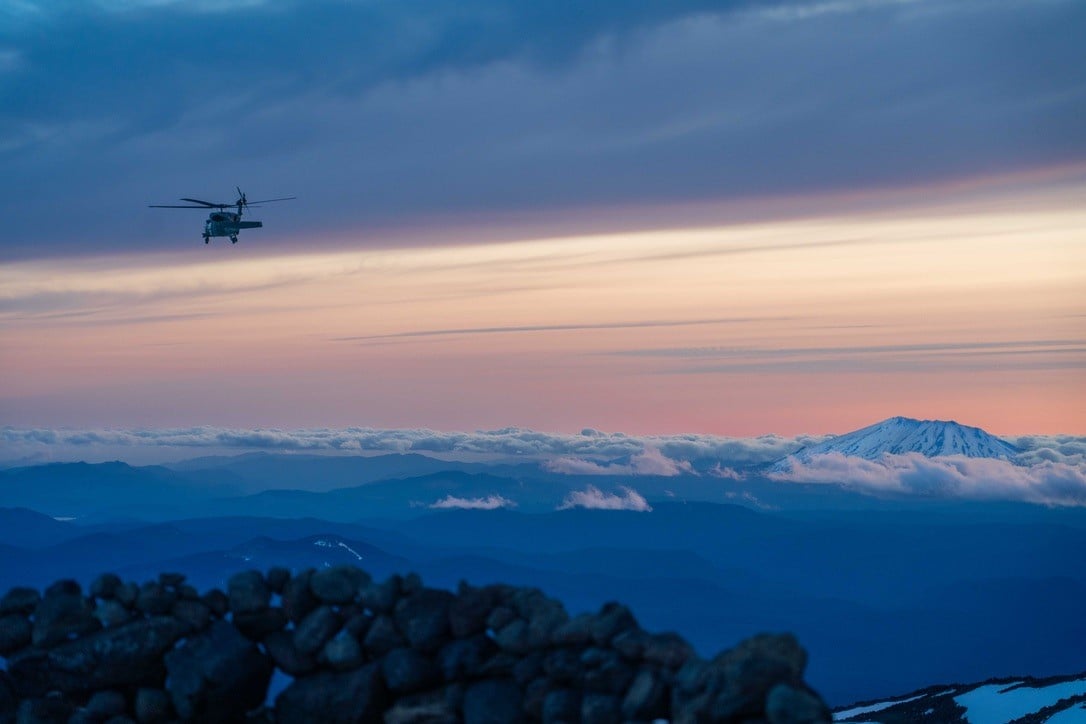
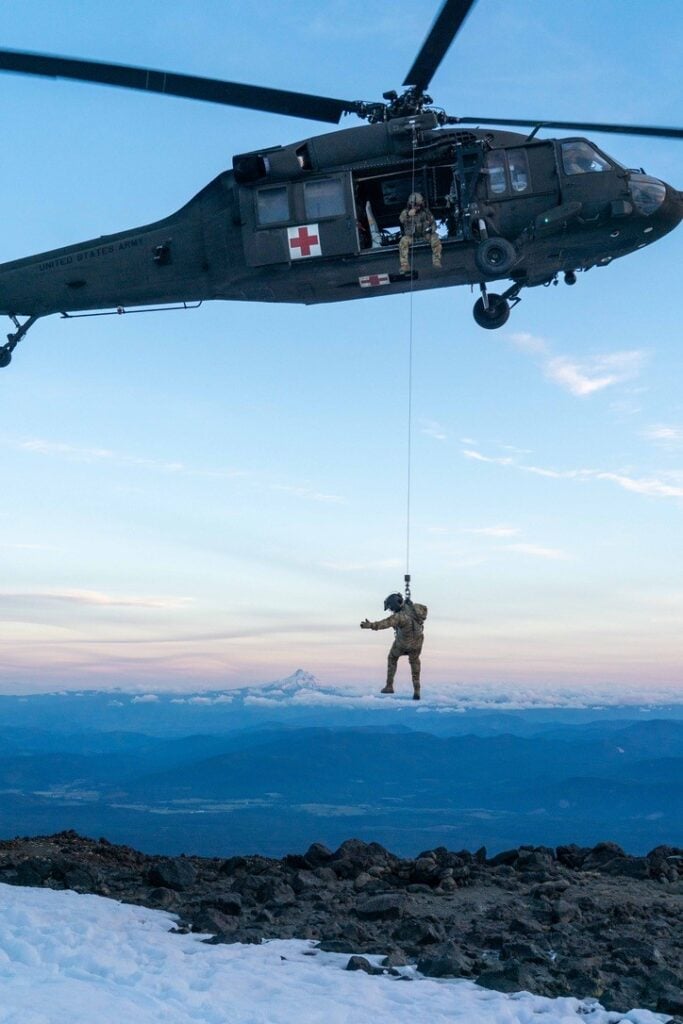
At approximately 8:15 p.m. — three hours after the climbers had arrived at Vaughn’s camp and many hours after they had attempted their summit descent — the rescue helicopter arrived and began the evacuation. Each climber was hoisted onto the chopper and transported to a local hospital for evaluation and hypothermia treatment. Vaughn said they were released that night in good condition.
Vaughn had originally bought the Garmin inReach device for his own peace of mind and communication, but that day the extra gear and satellite communication proved pivotal for two complete strangers.
“I always recommend that people carry a satellite communicator like an inReach,” he said. “It provides great peace of mind that you can communicate from just about anywhere and instantly send your exact coordinates.”
1Active subscription required. Some jurisdictions regulate or prohibit the use of satellite communication devices. It is the responsibility of the user to know and follow all applicable laws in the jurisdictions where the device is intended to be used.